Aquariums are the most reliable family tickets in travel — indoor, weatherproof, stroller-legal, and stocked with guaranteed animals — but the same building can produce a transcendent day or a $200 meltdown depending entirely on execution. The manual:
Timing is 80% of it. Book the first entry slot, always: crowds double by 11am everywhere, nap-and-lunch collisions arrive by noon, and the first hour's calm galleries are where the actual wonder happens. Rainy days flip the math — the whole city shares your plan, so wet-forecast days demand pre-booked morning slots or a pivot. Two to three hours is the honest under-10 capacity; re-entry stamps and two-day tickets (Gatlinburg's standard, Atlanta's encore pricing) exist because the second shorter visit beats one forced march.
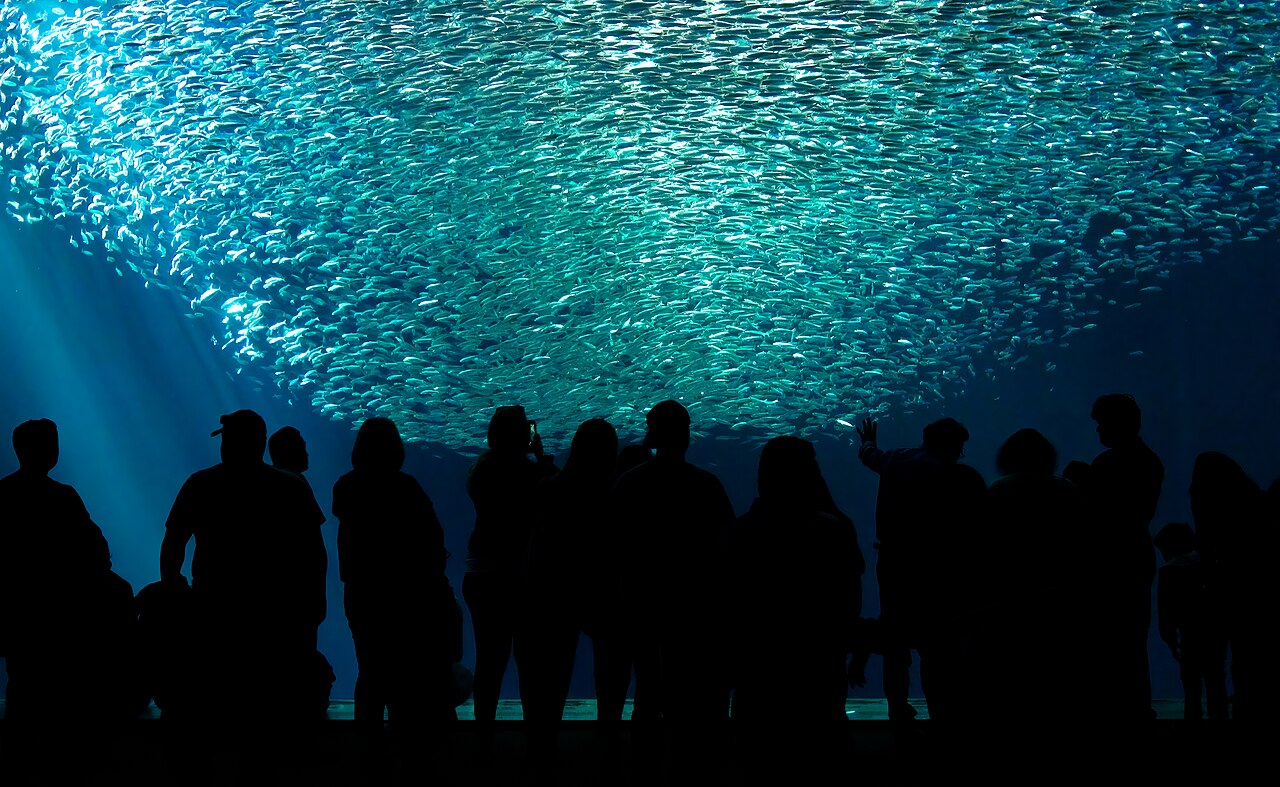
Route around the feeding schedule. Every aquarium posts daily feedings and keeper talks at entry — photograph the board and build the loop between anchor events (otters and dive shows are the universal winners). Narrated feedings turn tanks into theater and give small legs destinations; aimless wandering is where mutinies start.
The hands-on hierarchy by age. Under 5: touch pools (rays, anemones, horseshoe crabs), crawl-tunnels and pop-up domes (Gatlinburg's penguin crawl is the national gold standard; Atlanta's version close), and splash zones — tactile beats visual entirely. Ages 5-9: the golden window — tunnels (Gatlinburg's 340-foot glidepath is the single best kid moment in the field), dive shows, feeding talks, and the junior naturalist programs most members' desks run. Tweens/teens: the big-predator halls, behind-the-scenes tours (book ahead — Atlanta's and Monterey's are superb), and the dive/snorkel programs where age minimums allow; hand them the map and the routing job.
Meltdown engineering. Feed them before the aquarium cafe queue does it for you (or picnic where decks allow); the gift shop goes last and budgeted (the plush economy is non-negotiable; price it in with dignity); strollers park at dense exhibits; and the quiet-gallery reset — jellies, universally — rescues overstimulation better than exits. One adult owns the map, the other owns the pace.
Membership math. Locals and repeaters: two visits generally equal a family membership, which then adds member lines (the real luxury), early hours, and reciprocal-admission networks — the AZA reciprocity list turns one membership into half-price entries nationwide, the best-kept secret in family travel.
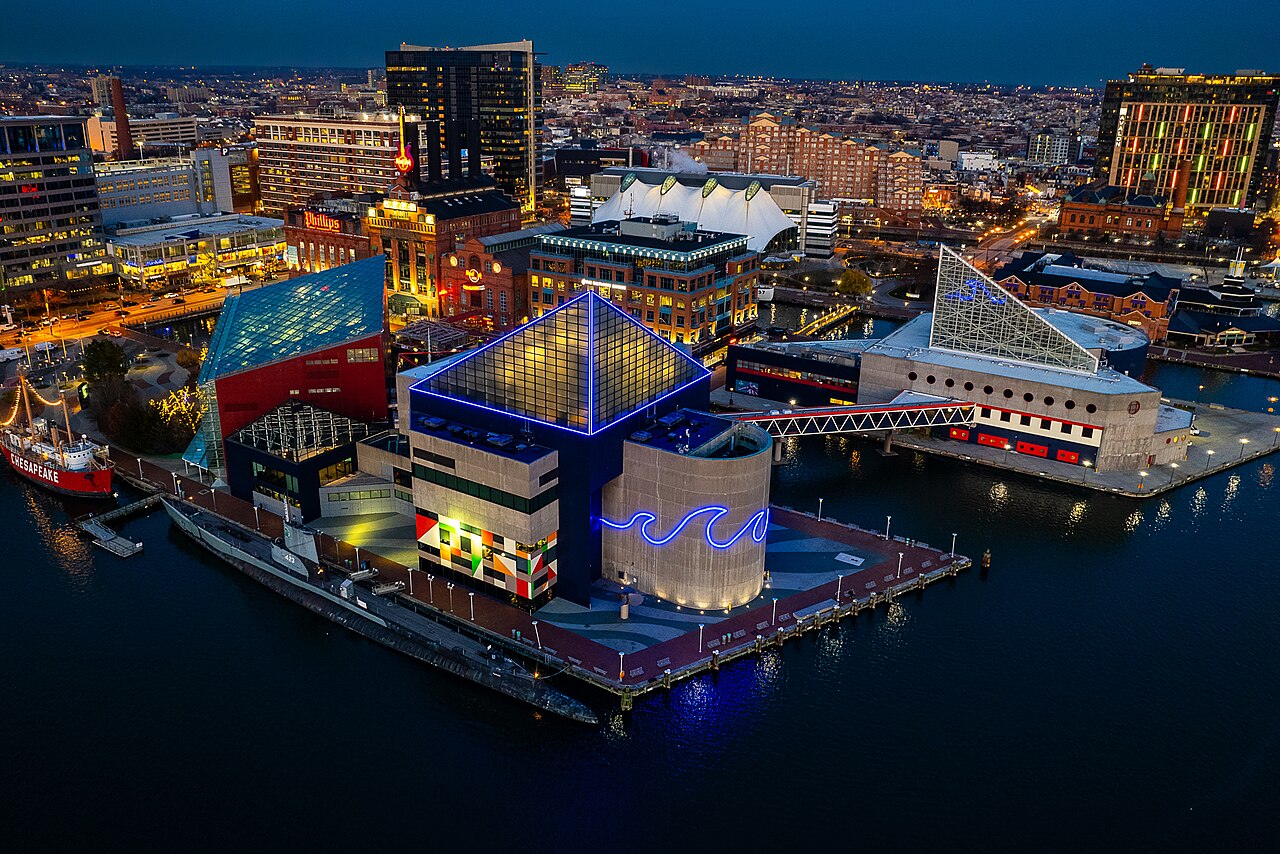
The kid-engineered rankings. Best overall under-10 building: Ripley's Smokies (crawl-tunnels, glidepath, touch density, price). Best feeding theater: Monterey. Best scale-wow: Atlanta. Best designed flow (zero navigation fights): Baltimore's spiral. Best free add-on: Boston's plaza harbor seals. Best weather-day insurance: all of them — that's the genre's whole gift.