Monterey Bay Aquarium
The ceiling every other aquarium is measured against
⏱ 3-4 hours👤 All ages$$$
Get Tickets
Get Monterey Bay Tickets
Skip the line · mobile tickets accepted at the door
What makes Monterey Bay the benchmark is a decision made before opening day: instead of importing an ocean, exhibit the one outside. The aquarium drinks directly from Monterey Bay — raw, unfiltered seawater cycling through the tanks at night, seeding the exhibits with larvae and plankton — which is why its Kelp Forest grows real giant kelp three stories tall (a world first that experts said couldn't be done) and why the whole building feels less like a collection than a cross-section of the marine sanctuary at its doorstep.
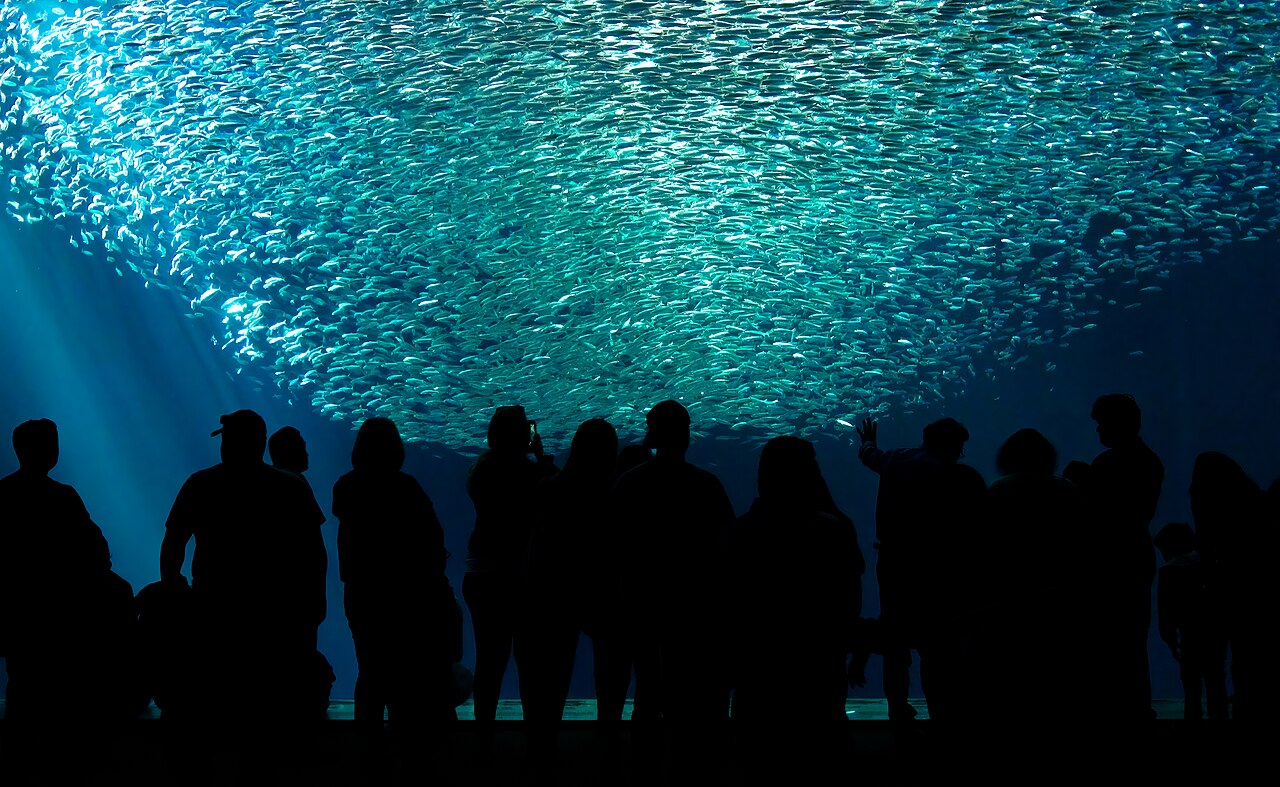
The greatest-hits reel is the national standard. The Kelp Forest's surge machine sways the canopy while leopard sharks and sardine schools thread it (the diver feeding shows narrate from inside the glass). The sea otters — all rescues, the species' comeback story embodied — headline feedings that stop foot traffic. The Open Sea hall sends bluefin tuna, hammerheads, sea turtles, and the surreal ocean sunfish across a million-gallon window with an anchovy cyclone spiraling nearby. The jelly galleries invented the genre's aesthetic. And Into the Deep exhibits what almost no institution on earth can keep alive — bloody-belly comb jellies, giant isopods, the actual animals of the canyon offshore. The back decks then play the trump card: telescopes aimed at wild otters, seals, and whale spouts in the real bay, the exhibit without walls.
Ranking context for trip planners: this is the one worth building a vacation around rather than into — the Monterey Peninsula (Cannery Row, 17-Mile Drive, Big Sur) surrounds it with a destination the other great aquariums can't match. Logistics: timed entry sells out summers and holidays — book well ahead on the official site; two to four hours inside; park in the garages above the Row. Pair it with Long Beach and Seattle for the West Coast circuit, and calibrate expectations for everything you visit after — this is the ceiling.
What to Expect
Format
The benchmark American aquarium in a converted cannery — living three-story kelp forest fed by the bay itself, sea otter feedings, the million-gallon Open Sea, jelly galleries, deep-sea rarities, and wild otters off the back decks. Timed entry.
Best Time
Weekday opening slots — the Kelp Forest before crowds is the version rankings are written about. Summer and holidays sell out ahead.
Duration
Three to four hours; families fill a day between feedings.
Tips
Book timed tickets on the official site well ahead. Build the loop around the feeding schedule (otters and the Kelp Forest dive show). Don't skip the back decks' wild-otter telescopes. Visit it last on a multi-aquarium trip — or first, knowingly, as the ceiling.
⚡ Quick Picks
Best For
The pilgrimage — if you see one American aquarium, the rankings and this guide agree it's this one.
Families
The gold standard: touch pools, splash zone, otters, and the most patient volunteer corps in the field.
Couples
Late-afternoon entry for the jellies at closing calm, then Cannery Row's water-side decks.
Pair With
The Monterey Peninsula's whole portfolio — this is the aquarium that comes with a destination attached.
Time Needed
Half a day.
Ready to book Monterey Bay?
Get Tickets →Frequently Asked Questions
Why is it ranked #1?
It invented the modern form — living kelp fed by raw bay water, ecosystem exhibits, the conservation-first model — and still runs the strongest lineup: otters, the Open Sea, the jellies, and a deep-sea collection nearly no one else can keep.
How far ahead should we book?
Days ahead minimum, weeks for summer and holidays — entry is timed and genuinely sells out. Book only on the official site; resale markups are rampant.
Is it worth traveling for?
It's the one aquarium Americans fly to — and it sits on the Monterey Peninsula amid Cannery Row, 17-Mile Drive, and Big Sur, so the trip earns itself beyond the ticket.
How long do we need?
Three to four hours minimum; families with the feeding schedule in hand can fill a day.
What's genuinely unique here?
The raw-seawater system (the bay literally flows through the building), the only living kelp forest of its kind, and Into the Deep's canyon animals — plus wild sea otters visible from the decks.
More Aquarium Attractions
Browse all →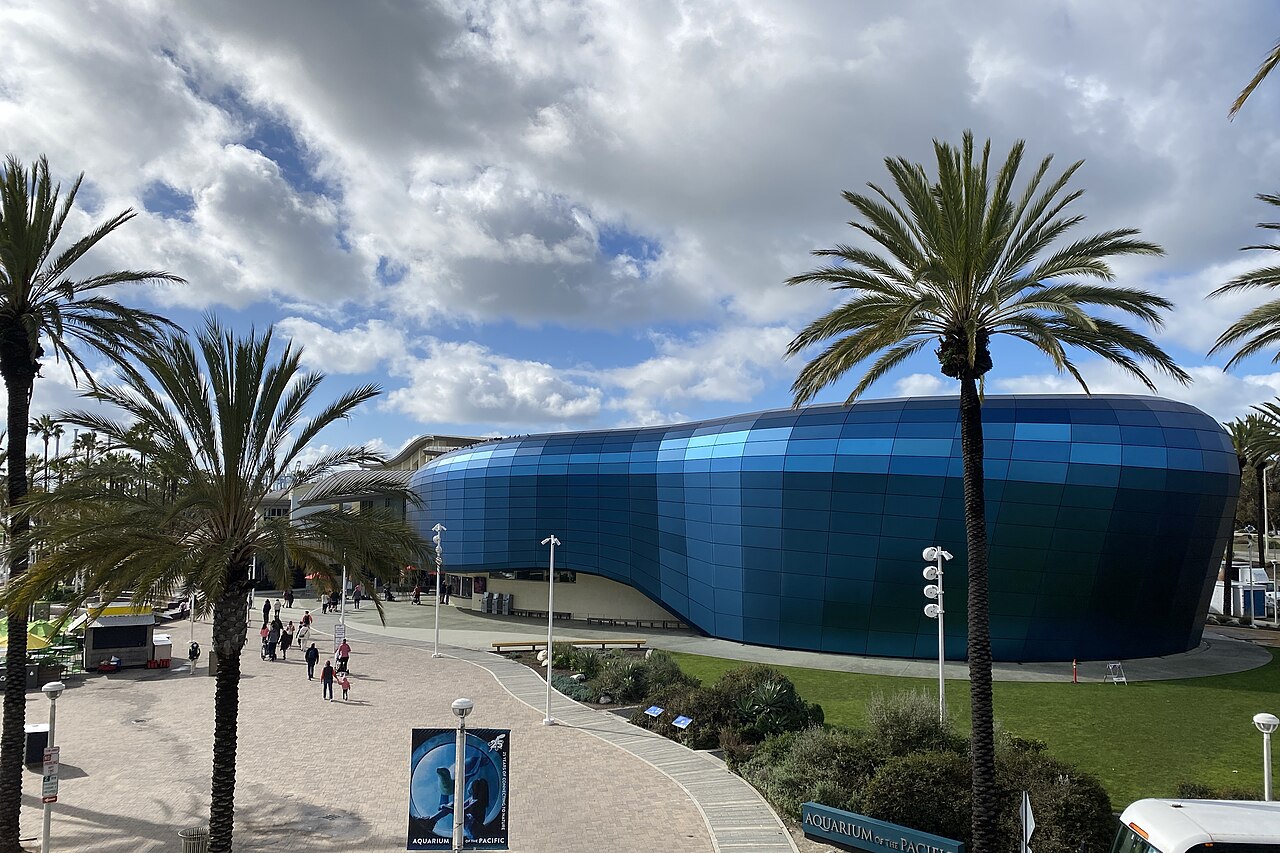
Aquarium of the Pacific
Long Beach's Pacific portal — Southern California's biggest aquarium, organized ocean-by-ocean from sea otters to coral lagoons, with the stunning Pacific Visions wing, lorikeet feedings, and whale-watch boats at the dock outside.
Seattle Aquarium & Ocean Pavilion
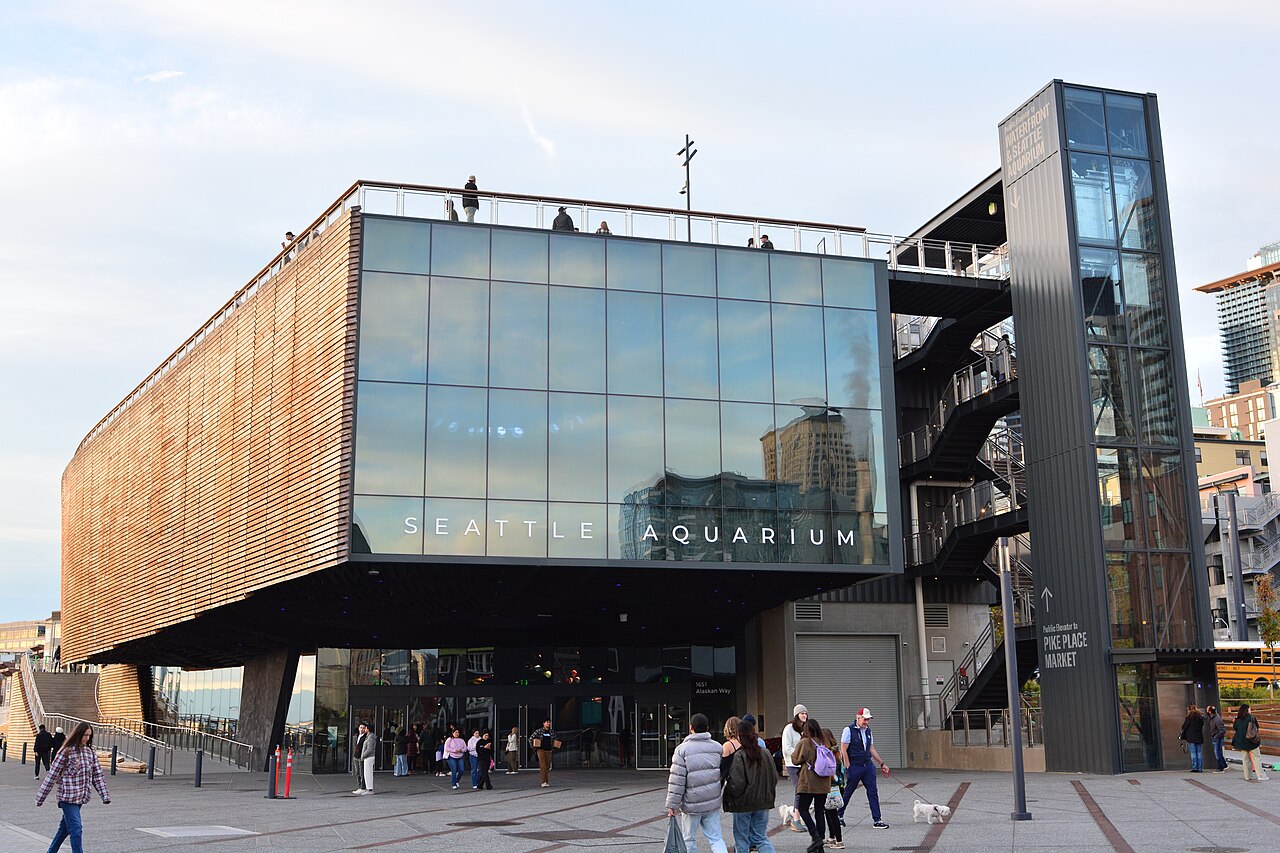
The Pacific Northwest's window — Puget Sound's octopus and otters on the working waterfront, now joined by the Ocean Pavilion: a 2024 expansion whose one-way reef hall and 500,000-gallon archway reset the city's skyline-to-sea walk.
Georgia Aquarium
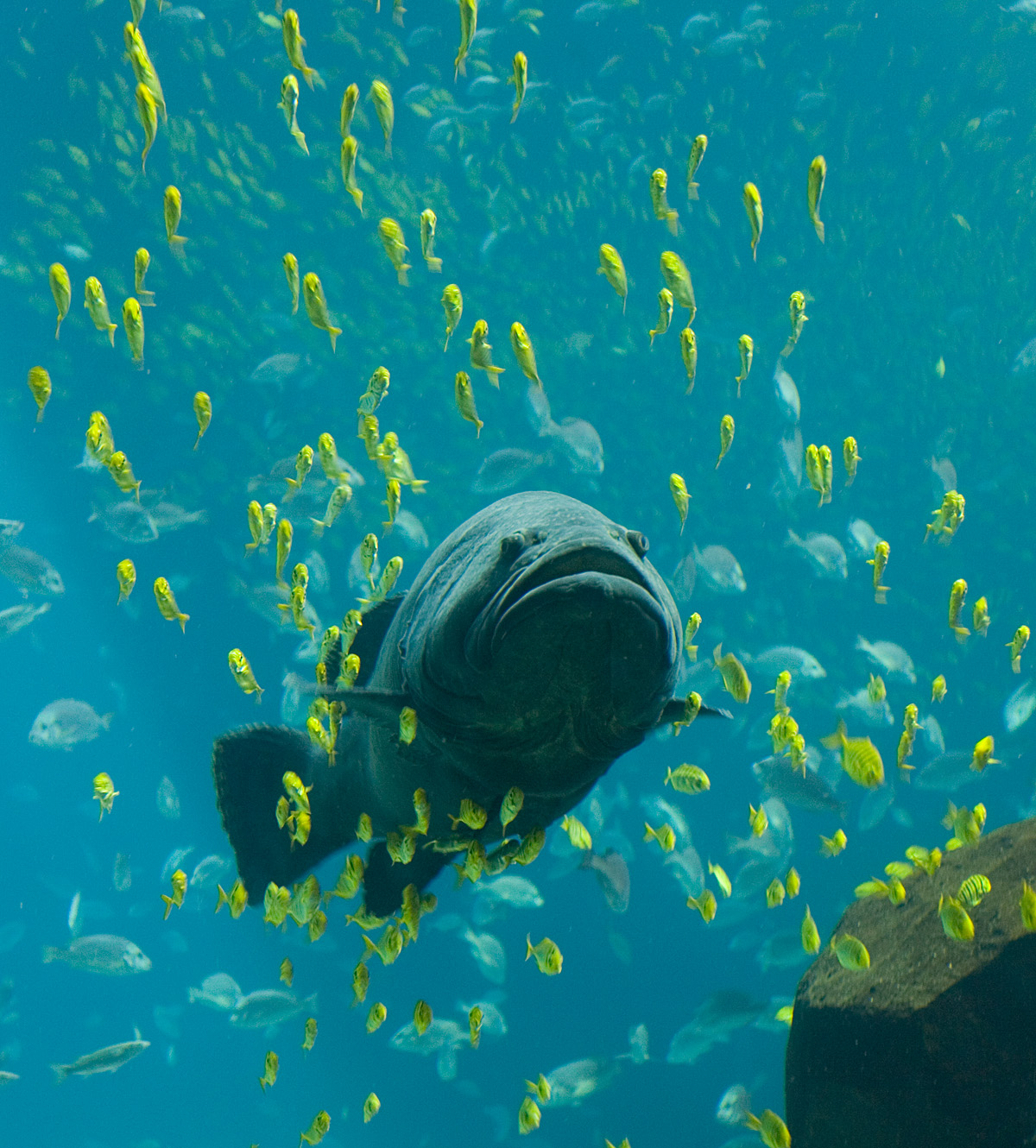
The biggest in America — ten million gallons in downtown Atlanta, and the only place outside Asia to swim beneath whale sharks: four of them, cruising a football-field tank past a 61-foot viewing window and a 100-foot tunnel.